Website design is crucial for establishing a strong online presence for any business. A well-crafted website not only draws in potential customers but also builds credibility and trust with visitors. It’s vital to have a visually appealing and user-friendly site that effectively showcases your products or services, ultimately driving conversions.
Beyond just looks, a great website should focus on functionality and easy navigation to ensure a smooth user experience. By using responsive design techniques, you can make sure your site is accessible and optimized for all devices, which helps you reach a broader audience.
Incorporating search engine optimization (SEO) strategies can also boost your website’s visibility on search engine results pages, leading to increased organic traffic. Plus, regularly updating your site with fresh content and relevant information keeps visitors engaged and encourages them to return.
All in all, blending these elements can lead to a successful website that not only attracts new visitors but also keeps existing ones coming back. It’s essential to continuously monitor and analyze your website’s performance metrics to make informed decisions for further improvements and optimizations.
Static website design
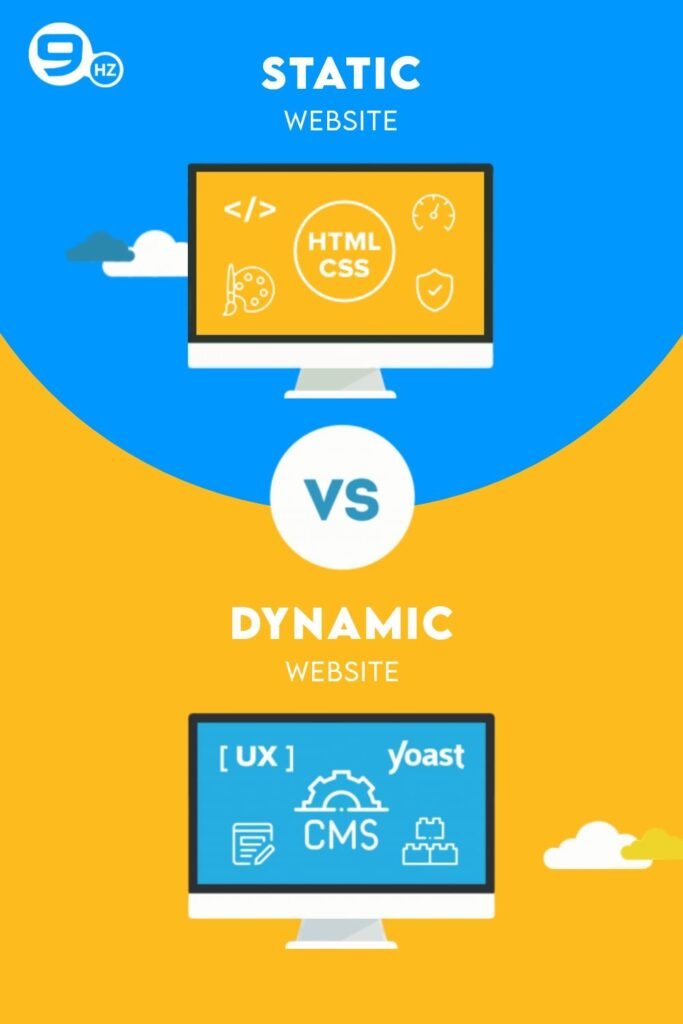
Static website design refers to a type of website that shows the same content to every visitor. These sites are usually created with HTML and CSS, and they don’t need any server-side processing. Because of this, static websites are straightforward to host and maintain, making them a budget-friendly choice for businesses aiming to build an online presence.
That said, they might not offer the interactive features or dynamic content that can really boost user engagement. For businesses that frequently update their content or want to provide personalized experiences, a dynamic website could be a better fit.
Dynamic website design
Dynamic website design is all about crafting web pages that are adaptable and responsive, making sure they look great on any screen size or device. This approach enhances the user experience, allowing for interactive features like animations, forms, and tailored content that responds to what users are looking for.
For businesses aiming to connect with their audience, dynamic website design is crucial. By adding these engaging elements, websites can grab and hold visitors’ attention more effectively, which can lead to higher conversion rates and happier customers.
E-Commerce Website Design
E-Commerce Website Design is all about crafting visually stunning and user-friendly interfaces that elevate the online shopping experience for customers. It features secure payment gateways and straightforward navigation, both of which are key to boosting conversion rates and keeping customers happy.
Moreover, a well-designed e-commerce site often includes responsive design elements, making sure it looks great on all devices. This not only enhances accessibility for a broader audience but also encourages higher engagement, ultimately leading to increased sales for businesses.
Liquid or fluid design
Liquid or fluid design is a creative approach that lets elements on a webpage adjust their size and position based on the screen or browser window dimensions. This responsive design ensures that the layout looks great and works well on all kinds of devices.
By opting for percentages or relative units instead of rigid measurements, liquid design offers a more flexible and adaptable layout. This ultimately leads to a smooth user experience, no matter what device someone is using to access the website.